Invoice vs Receipt vs Bill: What Is the Difference?

If you've ever handed a customer a payment record and called it an "invoice" only to be corrected, or sent an "invoice" only to find your client filed it as a "bill", you're not alone. These three terms are constantly mixed up, even in business correspondence between professionals.
The confusion isn't entirely your fault. The words are used interchangeably in everyday speech, vary between regions, and the same document is sometimes called all three depending on who's looking at it. There are real differences, though, and getting them right matters for tax, bookkeeping, and looking professional.
This guide clears the confusion in plain English, with examples for freelancers, small businesses, and consumers.
Why people mix these up
Three reasons, mostly:
- The same document plays different roles. The seller calls a document "an invoice" they issued. The buyer often calls the same document "the bill". Both are right; they're just looking at it from different sides.
- English varies by region. "Bill" is much more common in American English casually. "Invoice" dominates business English globally and is standard in UK, Australian, Indian, and South African business writing.
- Some industries blur the lines. Restaurants hand you "the bill" or "the check", which is really an invoice asking for payment. Utility companies send you "bills", which are also really invoices, but they call them bills out of long habit.
Let's look at each.
What is an invoice?
An invoice is a document a seller sends to a buyer requesting payment for goods or services. It's issued before payment is made.
An invoice:
- Lists what was supplied (description, quantity, price)
- States the total amount owed
- Carries a unique invoice number
- Has an issue date and a payment due date
- Often shows the tax (VAT, GST, sales tax) charged on top of the subtotal
- Forms the basis for the seller's revenue records and the buyer's expense or input-tax records
If you're a freelancer who's just finished a website design project and you send the client a document saying "amount due: $2,400, payable within 14 days", that's an invoice. If your client emails back "thanks for the invoice", you're both on the same page.
Invoices are the legal anchor for taxable supplies. In the UK, EU, Australia, Canada, India, and almost every country with VAT or GST, tax invoices are mandatory for VAT-registered or GST-registered businesses above a certain transaction value. There are strict content rules: the issuer's tax number, a sequential invoice number, dates, a tax breakdown, and so on.
If you want to make sure your invoice format covers every required field for your country, our country-specific guides for the UK, Australia, and eight other countries walk through the rules. You can also jump into the free invoice generator and have the layout sorted automatically.
What is a receipt?

A receipt is a document a seller gives a buyer as proof of payment. It's issued after payment is made.
A receipt:
- Confirms that money has been received
- Identifies the buyer (sometimes), seller, and transaction
- States the amount paid and the date of payment
- Is often shorter and less formal than an invoice
- Is what the buyer uses for expense claims, returns, or warranty proof
When you pay for groceries with a card and get the thin paper slip, that's a receipt. When you pay your freelance designer the $2,400 and they email back "thanks, payment received" with the date and amount, that's a receipt.
The simple way to remember it: invoices request money. Receipts confirm money has changed hands. The same transaction often has both. Invoice first, receipt after.
What is a bill?
"Bill" is the messy one. It can mean three different things:
- An informal word for an invoice. Common in American English ("send me the bill"), restaurants ("the bill, please"), and most casual conversation. From the seller's perspective the document is an invoice; from the buyer's perspective it's "the bill".
- A statement of money owed for ongoing services. Utility bills (electricity, water, internet, phone) are technically invoices but always called bills because they recur monthly and arrive in a standardised format.
- A statement of charges already incurred. A hospital bill or a restaurant bill is presented to you for payment after service has been rendered. Still functionally an invoice.
In short: every bill is an invoice in some sense, but not every invoice is called a bill. The word "bill" implies less formality and more recurrence than the word "invoice".
Side-by-side comparison
| Invoice | Receipt | Bill | |
|---|---|---|---|
| Who issues it | Seller | Seller | Seller |
| When | Before payment | After payment | Before payment |
| Purpose | Request payment | Confirm payment | Request payment (informal) |
| Sequential numbering | Yes (required) | Optional | Sometimes |
| Tax / VAT shown | Yes | Sometimes | Yes |
| Formal language | "Invoice" | "Receipt" | "Bill" |
| Common in | B2B, freelancing | Retail, all sectors | Utilities, restaurants, US English |
| Legal weight for tax | High | Medium | Same as invoice (often) |
The key relationship to remember: invoice, then payment, then receipt. The bill is usually just an informal name for the invoice.
When to use which
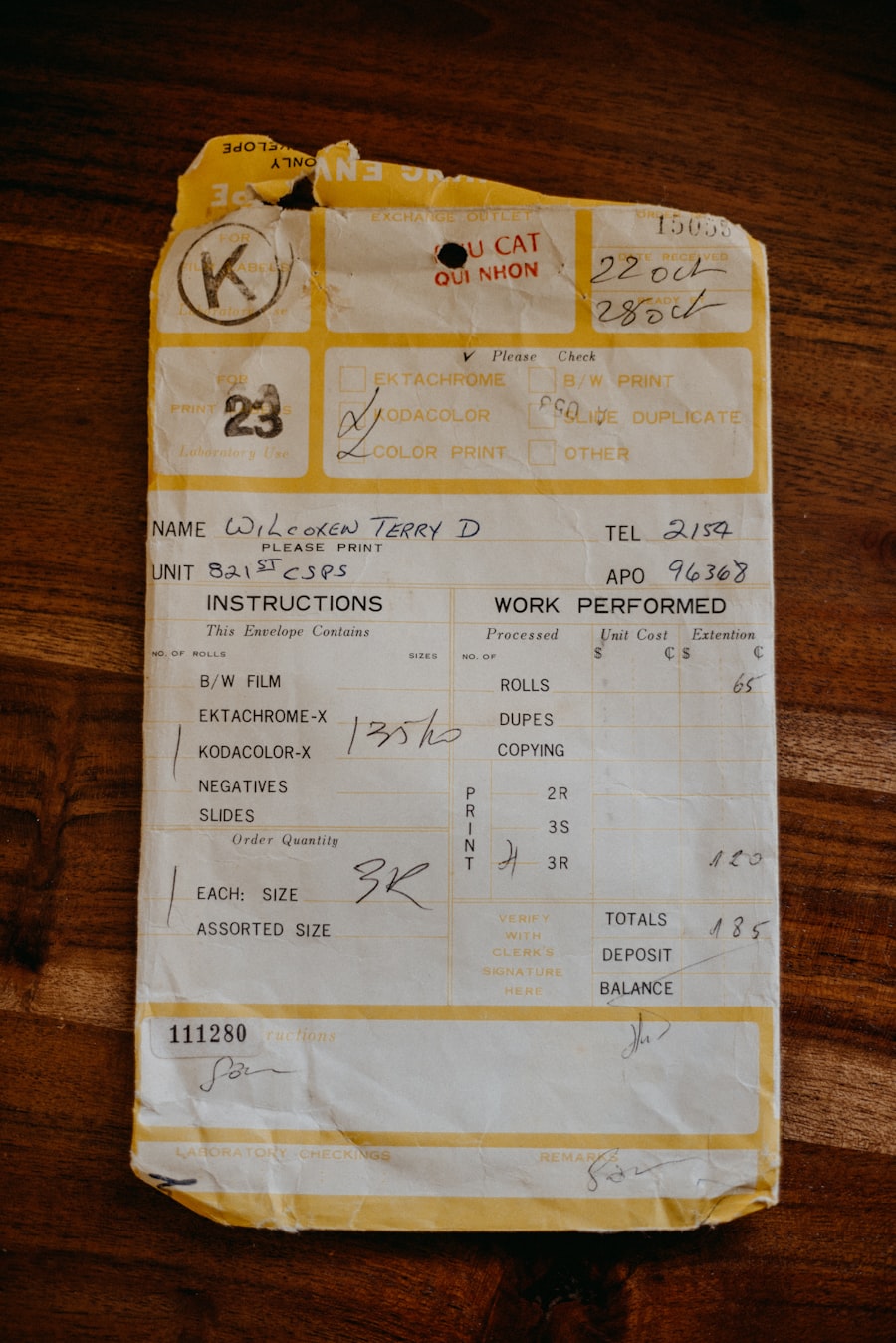
If you're issuing a payment request, use the word "invoice" when it matters. That means with tax authorities, accountants, or in any formal business context. Use "bill" in casual conversation or in industries where "bill" is the convention (utilities, hospitality).
If you're confirming you've received payment, use the word "receipt". A receipt isn't optional in most retail jurisdictions. Consumers have a legal right to one for refunds, warranty, or expense claims.
For freelancers and small businesses, the practical workflow is usually:
- Quote (optional). What you propose to charge before the work starts.
- Invoice. Issued when the work's done, requesting payment.
- Payment. Bank transfer, card, or whatever method.
- Receipt. Issued back to the client confirming you got paid.
Some businesses skip the explicit receipt step because the bank transfer record (or platform statement) is itself proof of payment. It's still good practice to send a short confirmation email. Your client will appreciate it, and it makes their expense claim easier.
Legal and tax differences
In most jurisdictions:
- Invoices are legally binding documents for tax purposes. A VAT-registered or GST-registered seller is required to issue a tax invoice with specific fields. Failing to issue compliant invoices can trigger penalties or disallowed input-tax claims.
- Receipts are proof-of-payment documents. They're required in many countries for retail consumer protection (returns, warranty) and for buyers claiming business expenses.
- Bills have no separate legal status. They're invoices in disguise. The legal requirements are the same as for invoices when the document is being used for tax purposes.
If you're in any doubt, format the document as an invoice (with all the required fields) and use the word "invoice" or "tax invoice" at the top. That covers the legal need regardless of what the recipient ends up calling it.
For the full list of fields your invoice should have, our complete invoice guide breaks them down step by step.
Special cases that confuse people
Restaurant "bills" or "checks" function as invoices (request for payment) but are called bills because of tradition. Receipts come after you pay.
Utility bills are the same thing. "Bill" is the customer-facing name; internally the utility company processes it as an invoice for tax and accounting purposes.
Pro forma invoice is a draft invoice sent before a sale is finalised. It's not a real tax invoice and shouldn't be entered in the books as one. It's used to confirm prices and terms before a buyer commits, common in international trade.
Credit note is issued by the seller to reduce a previous invoice. It's the opposite of an invoice and appears with a negative amount. Used when you need to correct an over-charge without deleting the original invoice.
Statement of account is a summary of all unpaid invoices from one customer over a period. Not an invoice itself; just a running total to remind the customer what's outstanding.
For freelancers and small businesses
If you're starting out, the practical answer is simple: issue invoices for everything, and call them invoices. Use a free tool like Invoicara. It automatically follows the invoice format that tax authorities expect, with multi-currency support, the right tax types for your country, and a clean PDF output. Send a short confirmation email when you get paid as your receipt.
You don't need separate tools for invoices, bills, and receipts. One clear invoice plus a payment-confirmation email covers 99% of small-business situations.
Conclusion
Three terms, three roles:
- Invoice. Request for payment, issued by the seller before payment.
- Receipt. Confirmation of payment, issued by the seller after payment.
- Bill. Informal word for invoice, common in everyday English and certain industries (utilities, hospitality).
In a clean transaction, you issue an invoice, the client pays, and you confirm with a receipt. The word "bill" floats around the same workflow but doesn't have its own distinct legal role.
If you need to make professional invoices that follow every tax authority's rules, create one in seconds for free with Invoicara. Multi-currency, multi-tax, no sign-up, no watermark.
For a deeper walk-through of every field your invoice should have, read our complete invoice guide.