
Electrician Invoice Template: Free, No Sign-Up
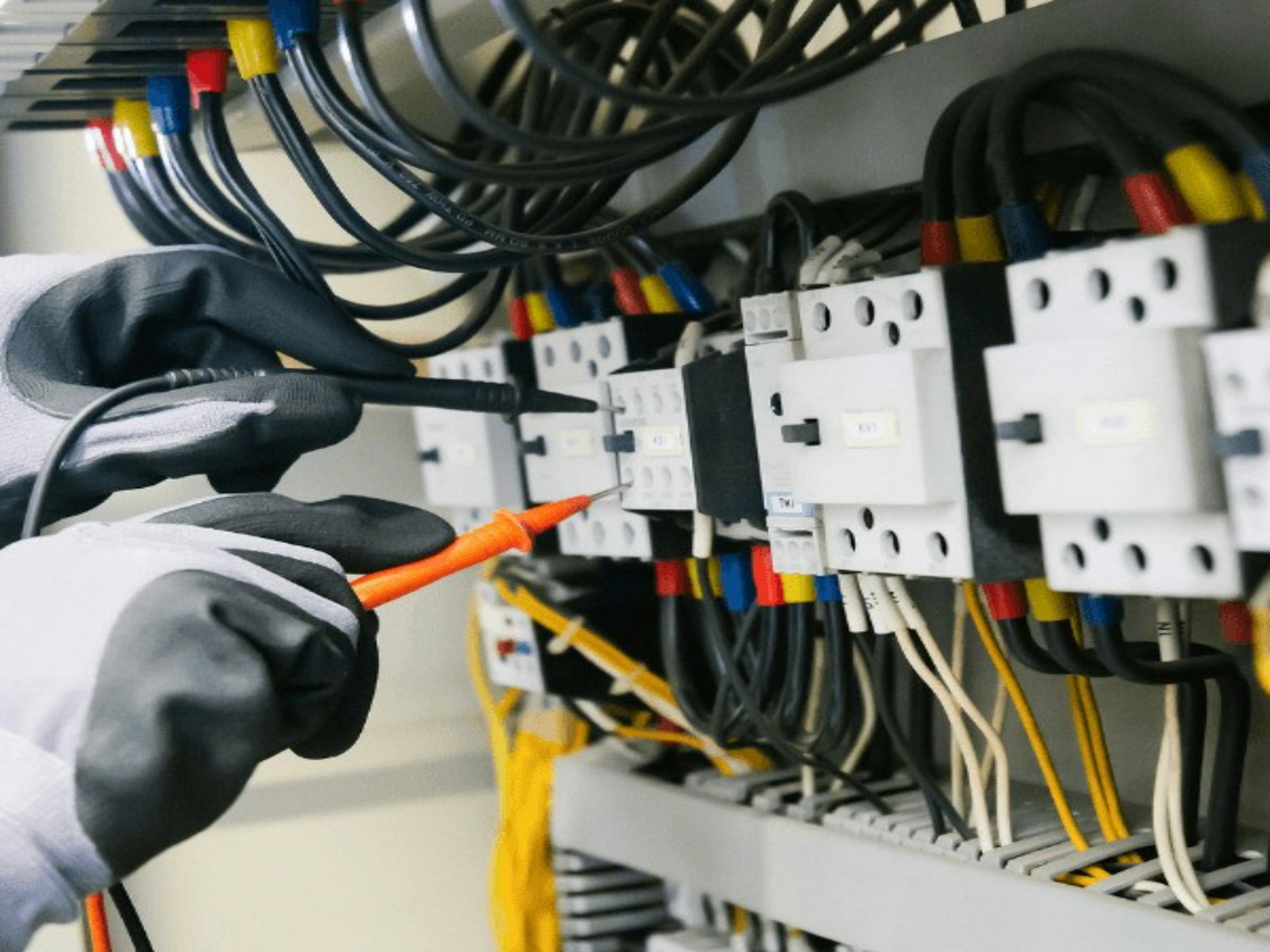
Electrical work carries something most trades do not: a paper trail of certificates and compliance. That makes the invoice more than a payment request. For an electrician, a clean invoice ties the money to the certified work, which protects you if a job is ever questioned and reassures the customer that they paid for compliant, tested electrics.
This guide shows what an electrical invoice needs, how to bill labour against materials, where certificates and testing fit, and the payment terms that keep a sparky's cash flow healthy. It includes a sample electrician invoice you can copy, and it applies whether you work in the UK, US, Australia, or beyond.
Just need the template? Use our free electrician invoice template to fill one in online and download a PDF, no sign-up.
What an electrical invoice must include
An electrician's invoice needs the standard fields plus a couple specific to the trade:
- Your business name, address, contact, and licence or registration number (NICEIC/NAPIT scheme number in the UK, electrical licence number in Australia, state licence in the US)
- The customer's name and the job/site address
- A unique invoice number, issue date, and a clear due date
- A description of the work done and the circuits or areas covered
- Itemised labour and materials with quantities and unit prices
- Any certificate or testing fee (EICR, installation certificate, minor works)
- Subtotal, tax (VAT or GST) if registered, and the total
- Payment methods and details
Listing your licence or scheme number is not optional polish. For many electrical jobs it is what makes the invoice and the work credible, particularly for landlords and letting agents. For the full anatomy of a professional invoice, see our invoice format and layout guide.
Sample electrician invoice
Here is a typical electrical invoice for a consumer-unit replacement with testing. The figures are illustrative; the layout is what customers and accounts teams expect.
| Description | Qty | Unit price | Amount |
|---|---|---|---|
| Consumer unit (18th edition, 10-way) | 1 | $140.00 | $140.00 |
| RCBO 32A | 6 | $18.00 | $108.00 |
| Labour (install + 2nd fix, 5 hrs) | 5 | $80.00 | $400.00 |
| Testing & certification (EICR) | 1 | $120.00 | $120.00 |
| Sundries (glands, sleeving, labels) | 1 | $25.00 | $25.00 |
| Subtotal | $793.00 | ||
| Tax (VAT 20%) | $158.60 | ||
| Total due | $951.60 |
The certification line matters. Customers are paying for a tested, signed-off installation, so showing the certificate as its own item makes the value obvious and the total easier to accept.
Labour vs materials: split them clearly

Like plumbing, electrical billing should separate what you fitted from the time you spent fitting it. Landlords and commercial clients in particular want an itemised breakdown of cable, breakers, sockets, and accessories against the labour hours.
For materials, list each item with quantity and unit price. If you mark up parts, build the markup into the unit price rather than tacking on a separate surcharge. For labour, show the hours and your rate, or a single fixed-price line if that is how you quoted, with a clear description of the work. This transparency is exactly what stops a customer querying the bill two weeks later. Our companion plumber invoice guide breaks the same logic down for plumbing jobs.
Certificates and testing fees
Certification is unique to electrical work and should appear on the invoice as a billable line, not a freebie folded into labour. Common items:
- EICR (Electrical Installation Condition Report) for periodic inspection, often required by landlords.
- Electrical Installation Certificate (EIC) for new circuits or a full installation.
- Minor Electrical Installation Works Certificate for smaller additions.
Each of these takes time and carries professional liability, so bill it. Naming the certificate also creates a record that links the payment to a specific compliance document, which is useful if the work is ever audited or the property is sold.
Call-out, testing, and payment terms
Electricians use call-out fees much like plumbers: a service fee to cover turning up, often including the first 30 to 60 minutes, with after-hours and weekend rates clearly higher and labelled honestly on the invoice.
Payment terms for electrical work follow the trades pattern:
- Domestic jobs: on completion or within 7 days.
- Landlords, agents, commercial: Net 14 or Net 30 through accounts payable.
- Larger installs (rewires, EV chargers, boards): take a 25 to 50 percent deposit before buying materials, then invoice the balance on completion.
Always state a specific calendar due date rather than a bare "Net 14". For deposits, staged payments, and chasing late ones, our payment terms guide has the full playbook, and our progress billing guide shows how to invoice a rewire or big install stage by stage.
Tax: VAT and GST for electricians

Tax handling depends on registration and location:
- In the UK, charge VAT (20 percent) only once VAT registered, and show your VAT number on the invoice. Some electrical work qualifies for reduced rates in specific circumstances.
- In Australia, register for GST (10 percent) at A$75,000 turnover and issue a valid tax invoice with your ABN.
- In the US, sales tax on electrical materials and labour varies by state, so check your local rules.
Only charge tax if you are registered to collect it, and always show it on its own line above the total. Mishandling tax is a frequent and expensive error, covered in our common invoice mistakes guide.
Bigger installs: EV chargers, solar, and rewires
Larger electrical jobs change the billing rhythm. An EV charger install, a solar PV connection, or a full house rewire ties up real money in materials before you have earned a penny, so a deposit is not optional, it is cash-flow survival. Quote the full job in writing first, take 25 to 50 percent up front to cover the hardware, and invoice the balance on completion with the certificate attached.
For jobs that run over several days or weeks, staged payments work well: an initial deposit, an interim invoice at first fix, and a final invoice at completion and testing. Each stage gets its own invoice number and its own clear due date. This keeps money flowing in as the work progresses and means you are never carrying the whole cost of a big install on your own books.
Common electrician invoice mistakes
- Leaving the certificate off the invoice, so the customer does not see what they paid for.
- No licence or scheme number, which weakens the invoice for landlords and agents.
- Vague work descriptions instead of naming circuits, boards, or areas.
- No deposit on rewires, leaving you to fund expensive materials.
- Editable file formats. Always send a locked PDF.
Make an electrician invoice in 60 seconds
You can produce a compliant, professional electrical invoice without any accounting software. Invoicara's free invoice generator lets you separate labour, materials, and certification on clean lines, calculates totals and VAT or GST automatically, adds your logo and licence details, and exports a print-ready PDF. No sign-up, no watermark, free forever.
For the fundamentals, read our complete guide on how to make an invoice, and for other trades and services the freelance invoice template guide shows more layouts. Bill the certificate, itemise the parts, name your fees, and you will spend more time on the tools and less time chasing money.