
Carpentry Invoice Template: Free, Labour and Materials
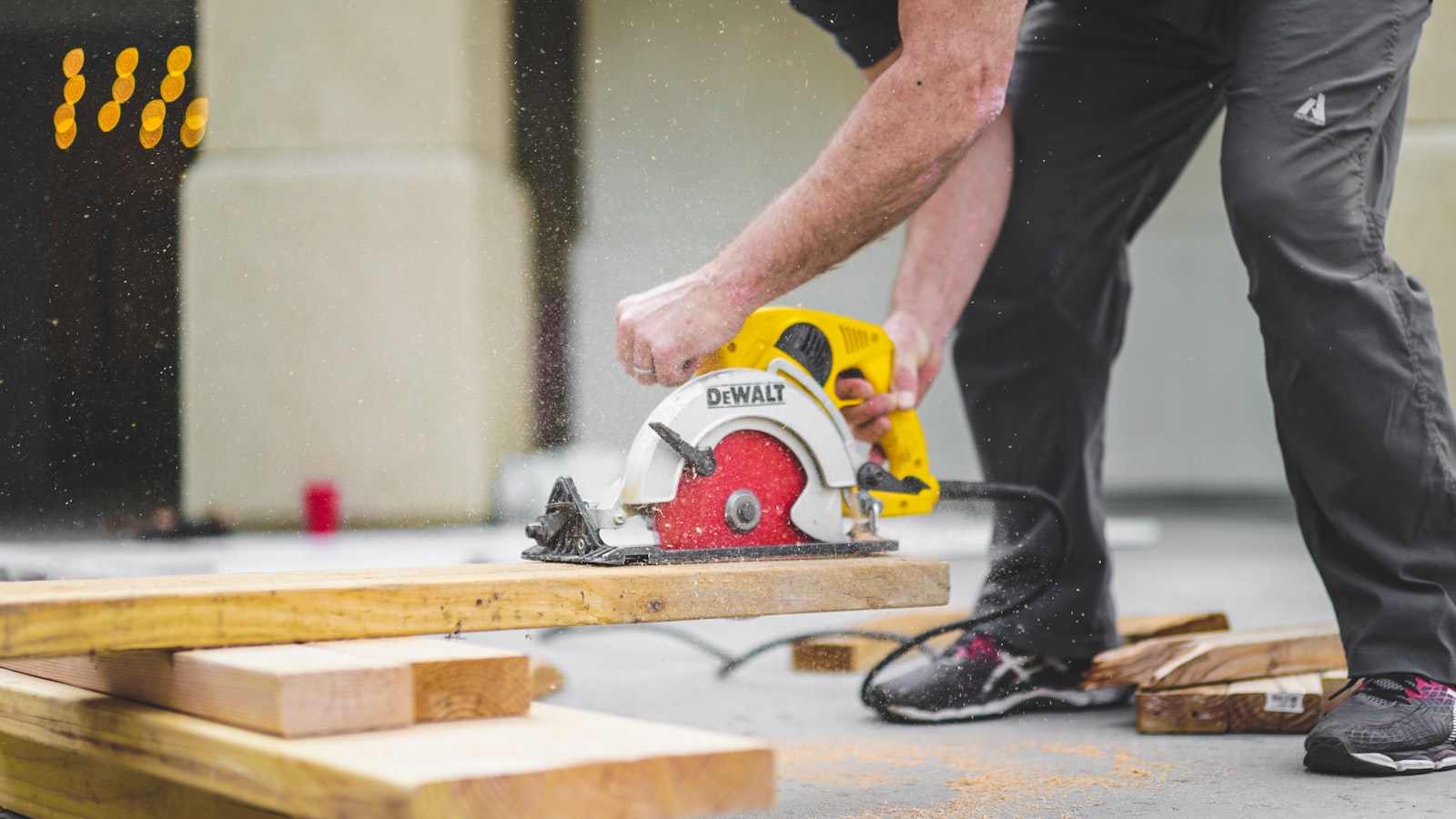
Carpentry covers a huge range, from rough framing to fine finish work, from a quick door hang to a fitted kitchen built from scratch. That range is exactly why the invoice matters. A custom build ties up your time and the customer's lumber for days or weeks, and the price depends on the material grade, the complexity, and the hours of skilled work that go in. A clear carpentry invoice shows the materials, the labour, and the deposit, so the customer understands they are paying for craftsmanship, not just wood.
This guide covers how to invoice for carpentry: hourly versus fixed pricing, lumber and materials, custom builds, deposits, design work, and a sample carpentry invoice you can copy. It works for finish carpenters, joiners, and custom woodworkers.
Just need the template? Use our free carpentry invoice template to fill one in online and download a PDF, no sign-up.
What a carpentry invoice must include
A carpentry invoice needs the standard fields plus a few specific to custom build work:
- Your business name, address, contact, and tax number where registered
- The customer's name and the job address
- A unique invoice number, issue date, and a clear due date
- A description of the work: what was built or installed
- Itemised materials (lumber, hardware, finishes) and labour
- Any design or drawing time, where charged
- Any deposit already paid
- Subtotal, tax if registered, and the total due
Describing the build specifically ("oak fitted bookcase, 2.4m, three adjustable shelves") rather than "carpentry work" is what makes the invoice look professional and easy to approve. For the full anatomy of an invoice, see our invoice format and layout guide.
Hourly vs fixed pricing
How you priced the work changes how the invoice reads:
- Fixed price. A single agreed figure for the whole build, common for custom pieces and well-defined jobs. Show the project, broken into materials and labour if helpful, and bill the agreed total.
- Hourly / day rate. Good for variable work, repairs, or jobs where the scope is unclear. Show the hours or days and your rate, with materials separate. Hourly billing invites more scrutiny, so describe what was done.
For a fixed-price build that grew (the customer added shelves, changed the timber), price the extra as a separate line and get it agreed in writing first. Unagreed extras are the fastest route to a dispute, a theme in our common invoice mistakes guide.
Sample carpentry invoice
Here is an invoice for a custom built-in showing the deposit already taken.
| Description | Qty | Unit price | Amount |
|---|---|---|---|
| Design and measure | 1 | $180.00 | $180.00 |
| Timber and sheet materials (oak) | 1 | $620.00 | $620.00 |
| Hardware and finishes | 1 | $140.00 | $140.00 |
| Labour (build + install, 3 days) | 3 | $320.00 | $960.00 |
| Subtotal | $1,900.00 | ||
| Tax (GST 10%) | $190.00 | ||
| Total | $2,090.00 | ||
| Less deposit paid | -$600.00 | ||
| Balance due | $1,490.00 |
Design, materials, hardware, and labour each get their own line, and the deposit comes off clearly at the bottom. The customer sees the craftsmanship and the materials they are paying for, not a single vague total.
Materials, lumber, and markup
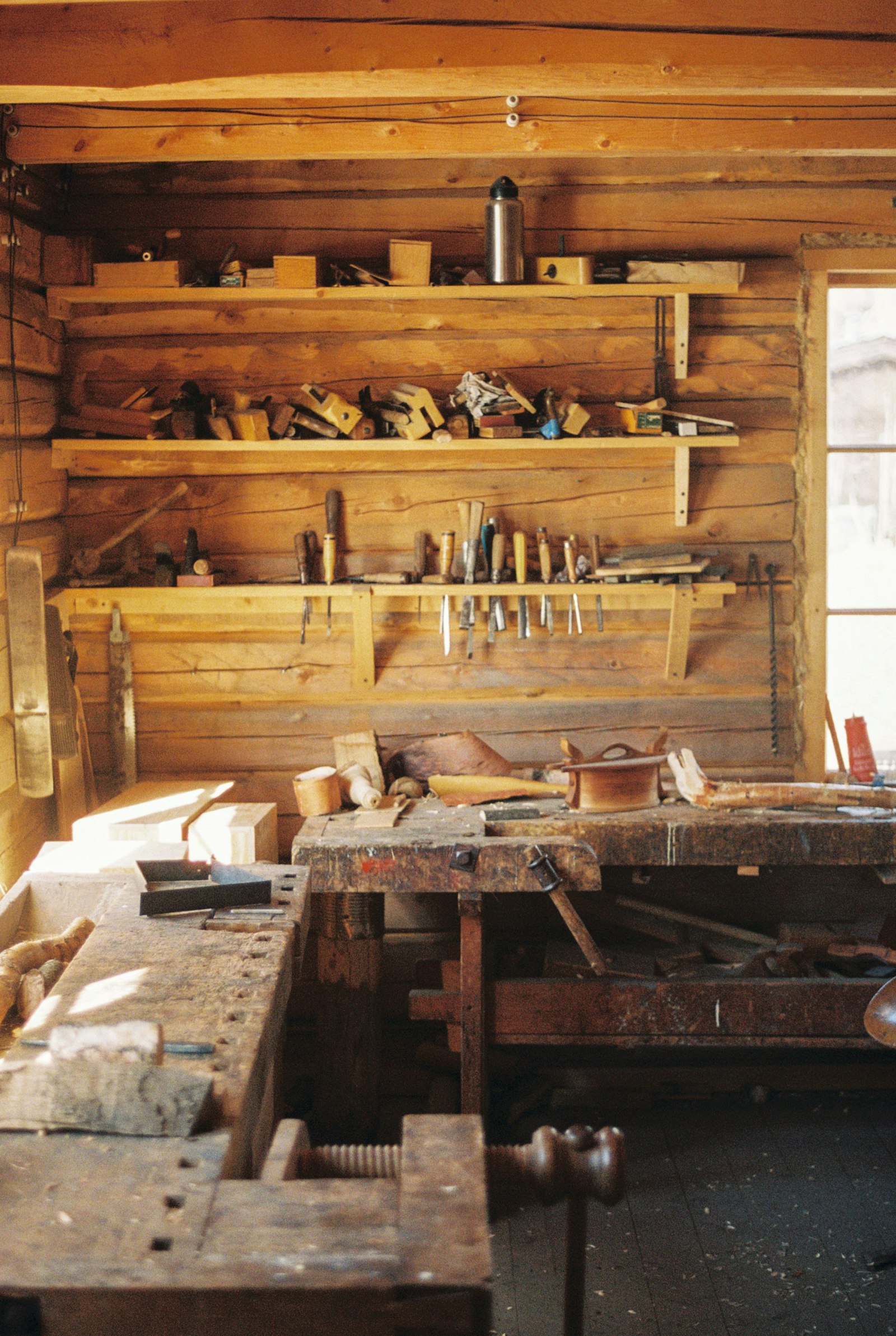
Materials can be a big part of a carpentry bill, so handle them clearly:
- List timber and sheet goods with the species or grade where it matters. Oak, walnut, and hardwood plywood cost far more than softwood, and noting the material justifies the price.
- Hardware and finishes (hinges, runners, screws, oil, lacquer) can go on one materials line or be itemised on larger jobs.
- Markup. If you mark up materials, build it into the unit price rather than adding a vague surcharge. Many carpenters also charge for sourcing and collecting specialist timber, which is real time.
Being clear about materials protects you in a dispute and helps your own job costing when you compare what you billed against what the build actually cost. The same logic our contractor invoice guide applies to materials on bigger jobs.
Deposits and design work
Custom carpentry ties up money in timber before you earn anything, so deposits are standard:
- Deposit. For any custom build, take 25 to 50 percent before you buy materials and start. State whether it is refundable.
- Design and drawing time. If you produce drawings or detailed quotes for a bespoke piece, that is skilled work. Charge for it, or fold it into the deposit, and say so. It also protects you if the customer takes your design elsewhere.
For longer fit-outs (a whole kitchen, a run of built-ins), bill in stages: deposit, a progress payment, and the balance on completion. For how to structure and invoice those stages, see our progress billing guide, and for the mechanics of terms, our payment terms guide.
Tax for carpenters
Tax depends on registration and location:
- In the UK, charge VAT (20 percent) once VAT registered, and note that some work on new builds can be zero-rated. Carpenters working as subcontractors may fall under the Construction Industry Scheme (CIS).
- In Australia, register for GST (10 percent) at A$75,000 turnover and quote your ABN on every invoice.
- In the US, sales tax on materials and labour varies by state, so check your local rules.
Only charge tax you are registered to collect, show it on its own line, and put your tax number on the invoice. For more on billing as a sole operator, see our freelance invoice template guide.
Finish carpentry vs framing vs custom builds
Carpentry covers very different work, and the invoice should match the type:
- Framing and structural. Often part of a bigger build, billed by the day or as a contract stage. Materials are softwood and engineered timber, and speed matters more than finish.
- Finish and trim. Skirting, architraves, doors, and mouldings. The value is in the clean finish, so describe the rooms and the work, usually billed by the job or the day.
- Custom and bespoke builds. Fitted furniture, staircases, and joinery, where design, premium timber, and skilled hours drive a higher price. These carry deposits and benefit most from a fully itemised invoice.
Matching your invoice detail to the work, a simple day-rate line for framing, a fully itemised build for bespoke joinery, makes each job read as professional and removes the back-and-forth about what is included.
Common carpentry invoice mistakes
- One vague "carpentry" line instead of materials, design, and labour itemised.
- No deposit on a custom build, so you fund the timber yourself.
- Not charging for design or drawing time on bespoke work.
- Doing extras without written agreement.
- Sending editable files. Always send a PDF.
Make a carpentry invoice in 60 seconds
You do not need workshop software to bill professionally. Invoicara's free invoice generator lets you itemise design, materials, hardware, and labour, apply a deposit, add tax, and export a clean PDF. No sign-up, no watermark, free forever.
For related trades, see our construction invoice guide, contractor invoice guide, and flooring installation invoice guide. For the basics, our complete guide on how to make an invoice covers every field. Describe the build, separate the materials, charge for design, take a deposit, and your carpentry business gets paid for the craft, not just the timber.