
Construction Invoice Template and Bill Format (Free)
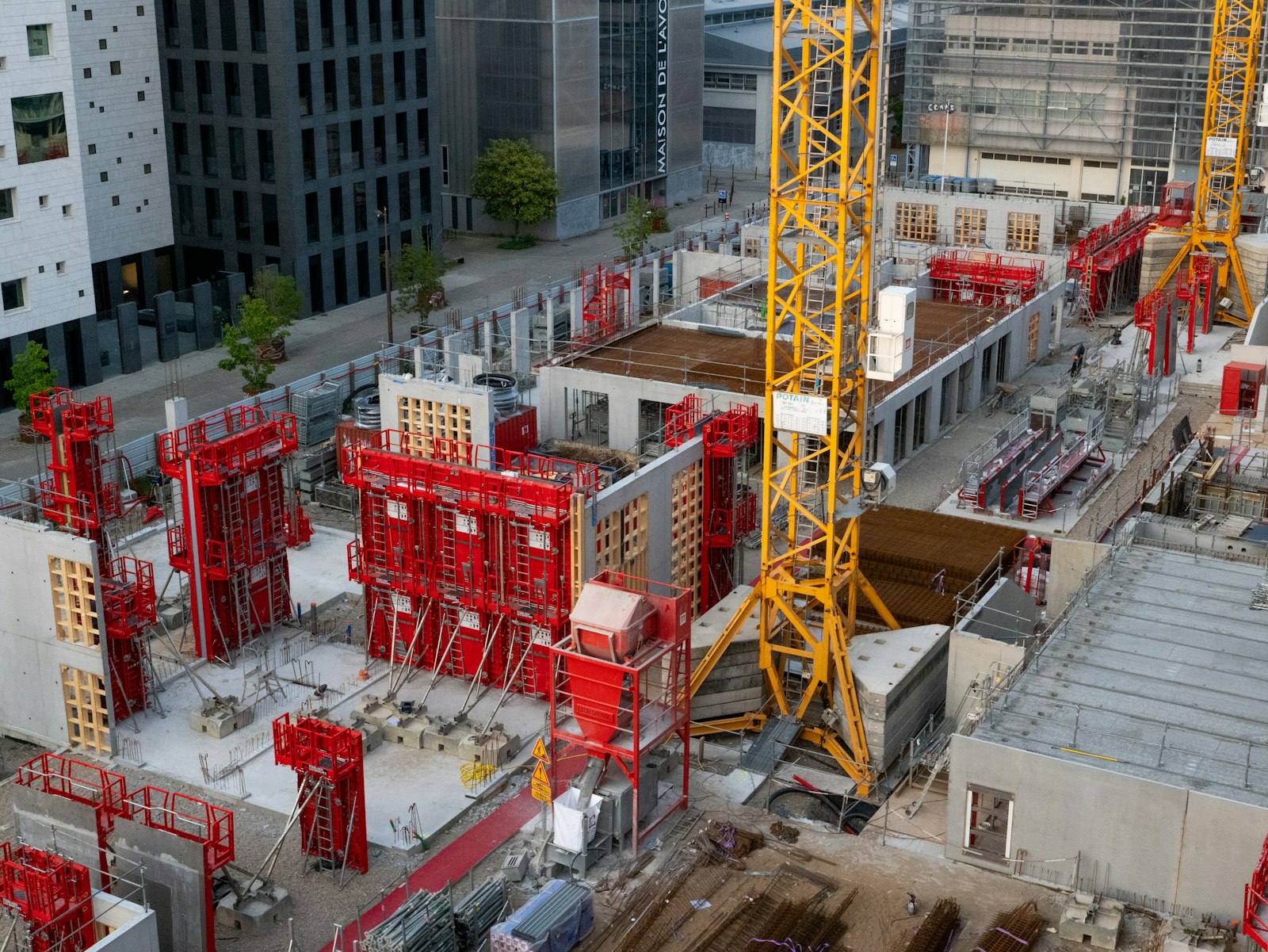
Construction billing is its own discipline. A plumber sends one invoice when the job is done, but a builder on a three-month extension invoices in stages, holds retention, prices variations, and gets paid against a schedule the client signs off. Get the structure right and your cash flow tracks the build. Get it wrong and you are funding someone else's project out of your own bank account.
This guide covers progress claims, retention, variations, and the schedule of values, with a sample construction invoice you can copy. It is written for builders, construction firms, and subcontractors in the UK, US, Australia, and beyond.
Just need the template? Use our free construction invoice template to fill one in online and download a PDF, no sign-up.
Why construction invoices are different
Three things separate a construction invoice from a normal one:
- Progress billing. You invoice in stages as the work completes, not once at the end. Our progress billing format guide covers the schedule of values and a worked sample claim.
- Retention. The client holds back a percentage (often 5 percent) until the job is signed off, as security against defects.
- Variations. Changes to the original scope get priced and billed separately, so the contract sum moves as the job evolves.
Because of this, a construction invoice references a contract, a stage, and often a previously agreed schedule of values. For the underlying anatomy of any invoice, our invoice format and layout guide covers every field.
Construction bill format vs invoice format
"Bill" and "invoice" mean the same document here, so a construction bill format and a construction invoice format are the same thing: the request for payment you send the client. Many builders, and a lot of clients in India and the wider region, search for a "construction company bill format" or a "construction billing format" when they mean exactly this. Whichever term you use, the structure is identical: your details and the client's, the project and stage, the itemised work, tax where it applies, retention held, and the balance due.
If you are pricing a job before it starts, that is a quote, not a bill. The bill or invoice comes after the work (or the stage) is done. For a builder learning how to write an invoice for building work, the safe rule is one document per stage, each numbered in sequence and tied to the schedule of values, so the client can see what each construction bill covers and match it against the contract.
The schedule of values
Before the first invoice, most construction contracts agree a schedule of values: a breakdown of the total contract sum into line items (groundworks, frame, roofing, first fix, second fix, and so on). Each progress claim then bills the percentage of each line completed to date.
This matters because it turns "we are about 40 percent done" into a defensible number. The client can see exactly which stages are complete, which are in progress, and what is left. It is the single best tool for avoiding payment disputes on a build. If you are billing this way every month, our progress billing format guide sets out the full claim format, how each line is calculated, and a worked sample.
Sample construction invoice
Here is a claim against a schedule of values, showing work completed this period and retention held.
| Item | Contract value | % complete | This claim |
|---|---|---|---|
| Groundworks | $18,000 | 100% | $18,000 |
| Frame & structure | $32,000 | 75% | $24,000 |
| Roofing | $14,000 | 50% | $7,000 |
| First fix (M&E) | $9,000 | 0% | $0 |
| Work completed to date | $49,000 | ||
| Less previous claims | -$30,000 | ||
| This progress claim | $19,000 | ||
| Less retention (5%) | -$950 | ||
| Add tax (VAT 20%) | $3,609.00 | ||
| Net payable this claim | $21,659.00 |
The key lines are "work completed to date", what you have already claimed, and the retention held back. That structure tells the client precisely why the number is what it is.
Retention: holding back, getting it back
Retention (or retainage in the US) is a percentage the client withholds from each progress payment as security. Typically 5 percent, sometimes split: half released at practical completion, half at the end of the defects-liability period.
Two rules to protect yourself:
- Track retention on every claim so you know exactly how much is owed back and when.
- Invoice for retention release as a separate claim when each milestone passes. Retention left unclaimed is money quietly lost, and it is one of the biggest leaks in construction cash flow.
Variations and change orders
No build finishes exactly as drawn. When the client asks for a change, price it as a variation (change order in the US), get it agreed in writing before you do the work, and bill it as its own line or its own invoice. Never fold a variation silently into a progress claim. The client should see the original contract sum, the agreed variation, and the new total clearly.
Unpriced variations are where builders lose the most money. A written, signed change order is the difference between getting paid for extra work and arguing about it for months. For the wider set of billing traps, see our common invoice mistakes guide.
Payment terms and the law
Construction has its own payment legislation in many countries, and it usually favours getting paid:
- In the UK, the Construction Act (and the Scheme for Construction Contracts) gives a right to interim payments, payment notices, and the right to suspend work for non-payment.
- In Australia, Security of Payment legislation in each state gives a fast adjudication route for unpaid progress claims, and a valid claim must reference the Act.
- In the US, mechanic's lien rights let unpaid contractors place a lien on the property, a powerful lever that varies by state.
Whatever the jurisdiction, state a specific due date and your payment terms on every claim. For the mechanics of terms and chasing late money, our payment terms guide has the detail.
Labour, materials, and plant
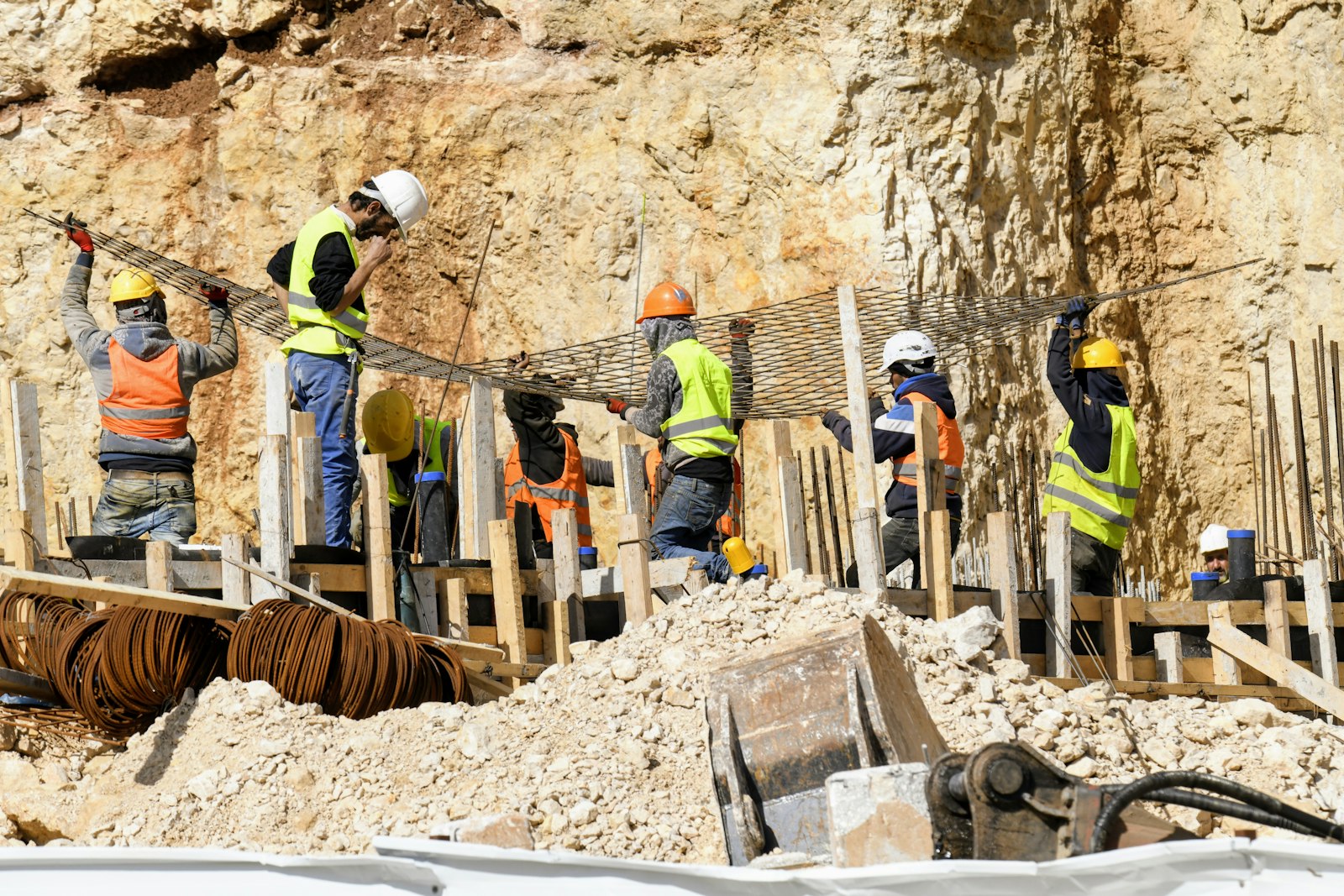
Within each progress claim, it pays to break the work into labour, materials, and plant (equipment hire). Clients and quantity surveyors expect to see these split, and the breakdown protects you if a line is queried.
- Labour. Hours or day-rates for your crew, or a lump sum tied to the schedule line.
- Materials. Listed at cost or with your agreed markup built into the unit price. On larger jobs, you can bill for materials delivered to site but not yet installed, if the contract allows it.
- Plant and equipment. Scaffolding, excavators, and hire items, shown as their own lines with the hire period.
Keeping these separate turns a single intimidating number into a transparent claim the client can approve quickly. It also makes your own job costing far easier at the end of the project, when you compare what you billed against what the job actually cost.
Common construction invoicing mistakes
- No schedule of values, so every claim becomes a negotiation.
- Forgetting to claim retention release at each milestone.
- Doing variation work before it is agreed in writing.
- Vague claim descriptions instead of referencing the schedule line and percentage.
- Sending editable files. Always send a locked PDF.
Make a construction invoice fast
You do not need heavy construction software to bill cleanly on smaller projects. Invoicara's free invoice generator lets you build a clear progress claim with itemised stages, retention as its own line, variations, and VAT or GST, then export a print-ready PDF. No sign-up, no watermark, free forever.
For related trades billing, see our plumber invoice guide, electrician invoice guide, roofing invoice guide, painting invoice guide, and carpentry invoice guide, and for the fundamentals our complete guide on how to make an invoice. Bill against the schedule, track your retention, price every variation, and the build pays for itself on time.