
House Painting Invoice Example: Free Sample and Template
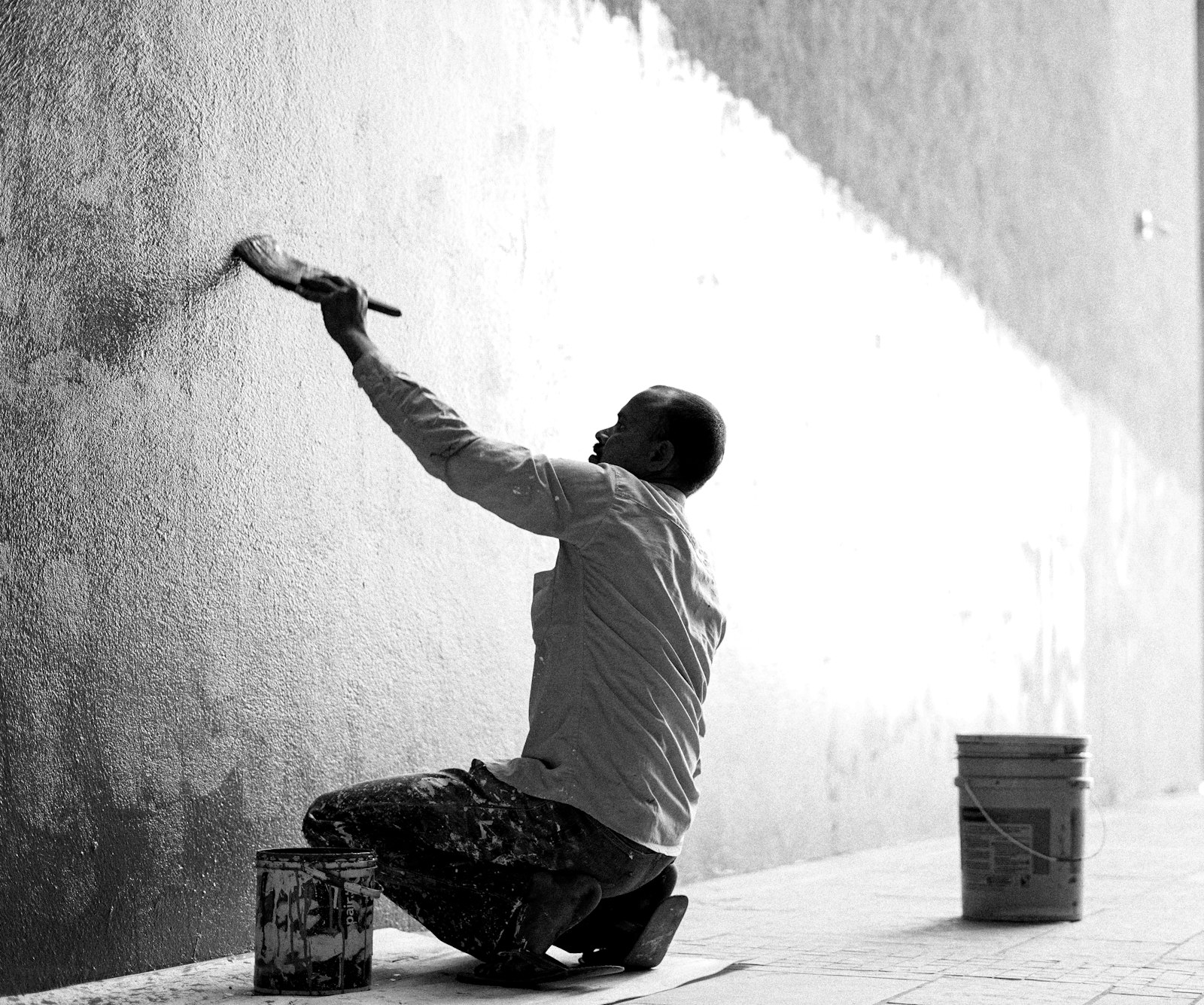
Painting looks simple to price until you realise how much sits under the surface. The visible work is rolling paint on a wall, but the bill has to cover prep, primer, the number of coats, the quality of the paint, and the labour that makes the finish last. The painters who get paid well and avoid disputes are the ones whose invoices show that hidden work clearly, so the customer understands they are paying for a job that lasts, not just a quick coat.
This guide shows how to write an invoice for a painting job, with a sample invoice for a painting job you can copy: pricing by area or by room, surface prep, materials and labour, coats, and deposits. It works for interior and exterior, residential house painting and commercial work, whether you are a solo painter or a painting contractor.
Just need the template? Use our free painting invoice template to fill one in online and download a PDF, no sign-up.
What a painting invoice must include
A painting invoice needs the standard fields plus a few specific to decorating work:
- Your business name, address, contact, and tax number where registered
- The customer's name and the job address
- A unique invoice number, issue date, and a clear due date
- A description of the work: areas, rooms, interior or exterior
- Prep work included (sanding, filling, masking, priming)
- Itemised materials and labour, with the number of coats
- Any deposit already paid
- Subtotal, tax if registered, and the total due
Spelling out the prep and coats is what separates a professional painting invoice from a competitor's vague "painting: $1,500" line. It shows the customer the value and protects you if they later wonder why it cost what it did. For the full anatomy of an invoice, see our invoice format and layout guide.
Pricing by area or by room
Painters price a job in one of a few ways, and the invoice should reflect what you quoted:
- By area. A rate per square foot or square metre of wall or floor, common for larger or commercial jobs. Show the area and the rate.
- By room or by job. A flat price per room or for the whole project, common in residential work. Show each room or a single project line with the scope noted.
- By day. A day rate for variable or small jobs, with materials on top.
Whichever you use, the quote and the invoice should match. If the scope grew (an extra room, an extra coat, unexpected repairs), that is a conversation and a written variation before the invoice, not a surprise on it.
Sample invoice for a painting job (interior)
Here is a sample invoice for a painting job, an interior repaint, showing the deposit already taken.
| Description | Qty | Unit price | Amount |
|---|---|---|---|
| Prep (sand, fill, mask, prime) | 1 | $350.00 | $350.00 |
| Walls and ceilings (2 coats) | 1 | $1,200.00 | $1,200.00 |
| Trim and doors (gloss) | 1 | $400.00 | $400.00 |
| Paint and materials | 1 | $280.00 | $280.00 |
| Subtotal | $2,230.00 | ||
| Tax (GST 10%) | $223.00 | ||
| Total | $2,453.00 | ||
| Less deposit paid | -$700.00 | ||
| Balance due | $1,753.00 |
Prep is its own line, the coats are stated, materials are separate from labour, and the deposit comes off clearly at the bottom. That breakdown is exactly what stops a customer questioning the total.
Sample house painting invoice (full exterior)
A whole-house exterior job bills differently from a single room. The work is priced by surface area rather than by room, weather and access affect the labour, and the prep is a much larger share of the total. Here is a full house painting invoice for a three-bedroom detached property.
| Description | Qty | Unit price | Amount |
|---|---|---|---|
| Pressure wash and surface preparation | 1 | $620.00 | $620.00 |
| Scrape, sand, and fill (weatherboards and fascia) | 1 | $840.00 | $840.00 |
| Prime bare and repaired areas | 1 | $390.00 | $390.00 |
| Weatherboards, 2 coats exterior acrylic (185 sq m) | 185 | $14.00 | $2,590.00 |
| Fascia, eaves, and gutter line | 1 | $560.00 | $560.00 |
| Windows and door frames (gloss, 11 openings) | 11 | $75.00 | $825.00 |
| Paint and materials | 1 | $940.00 | $940.00 |
| Scaffold hire (3 days, rear elevation) | 3 | $130.00 | $390.00 |
| Subtotal | $7,155.00 | ||
| Tax (GST 10%) | $715.50 | ||
| Total | $7,870.50 | ||
| Less deposit paid | -$2,000.00 | ||
| Balance due | $5,870.50 |
Three things make this house painting invoice work. The preparation is split across three lines rather than hidden inside the painting price, because on an exterior repaint prep is often a third of the job and the customer needs to see it. The wall area is stated in square metres with a rate, so the figure can be checked rather than taken on trust. And access equipment is its own line, because scaffold is a genuine cost the customer would otherwise assume was padding.
For a job this size, take a deposit before you start. Materials alone are close to a thousand dollars, and no painter should be funding that out of their own pocket while the job runs.
Prep, coats, and materials

Three things make a painting invoice honest and dispute-proof:
- Prep. Sanding, filling, masking, and priming are real hours and the difference between a finish that lasts and one that peels. Show prep as its own line so the customer sees it was done and paid for.
- Coats. State how many coats are included ("two coats"). A common dispute is a customer expecting three coats on a price quoted for two. Put the number on the invoice.
- Materials. List paint and materials separately, noting the brand or grade if it matters. Premium paint costs more and lasts longer, and itemising it justifies the price.
Being explicit here is the single best protection against the classic painting dispute, where the customer thinks they are paying for more than was quoted. For the wider set of billing traps, see our common invoice mistakes guide.
Deposits and staged payments
Painting jobs tie up real money in paint and materials before you finish, so deposits are standard:
- Deposit. For any sizeable job, take 25 to 50 percent before you buy materials and start. State whether it is refundable.
- Staged payments. For larger or longer jobs (a whole house, a commercial site), bill at agreed stages: deposit, a progress payment partway, and the balance on completion. Each stage gets its own invoice number and due date.
This keeps cash flowing in as the work progresses, so you are never funding a customer's paint out of your own pocket. For the mechanics, see our payment terms guide, and for invoicing a large repaint stage by stage, our progress billing guide.
Tax for painters
Tax depends on registration and location:
- In the UK, charge VAT (20 percent) once VAT registered, and note that some work on new builds or certain conversions can be zero-rated or reduced-rated.
- In Australia, register for GST (10 percent) at A$75,000 turnover and quote your ABN on every invoice.
- In the US, sales tax on painting materials and labour varies by state, so check your local rules.
Only charge tax you are registered to collect, show it on its own line, and put your tax number on the invoice. For more on billing as a small operator, see our contractor invoice guide.
Interior vs exterior and commercial work
Exterior and commercial jobs change the invoice. Exterior work carries weather risk and more prep (scraping, sanding, weatherproofing), so the prep line is bigger and worth spelling out. Commercial jobs (offices, shops, rental turnarounds) usually run through accounts payable on Net 30 terms with a purchase-order reference, rather than payment on completion.
For landlords and letting agents doing rental turnarounds, speed and a clean per-property invoice win repeat work, since they repaint units constantly between tenants. Identify the property clearly, itemise prep and coats the same way, and add the PO reference when they use one. These account clients book far more often than one-off homeowners, so a painter who invoices them cleanly becomes their go-to.
Common painting invoice mistakes
- One vague "painting" line instead of prep, coats, and materials itemised.
- Not stating the number of coats, which invites a dispute.
- No deposit on big jobs, so you fund the materials yourself.
- Hiding prep in the labour, so the customer underestimates the work.
- Sending editable files. Always send a PDF.
Make a painting invoice in 60 seconds
You do not need decorating software to bill professionally. Invoicara's free invoice generator lets you itemise prep, coats, materials, and labour, apply a deposit, add tax, and export a clean PDF. No sign-up, no watermark, free forever.
For related trades, see our contractor invoice guide and construction invoice guide. For the basics, our complete guide on how to make an invoice covers every field. Show the prep, state the coats, separate the materials, and your painting business gets paid for the whole job, including the work the customer cannot see.